

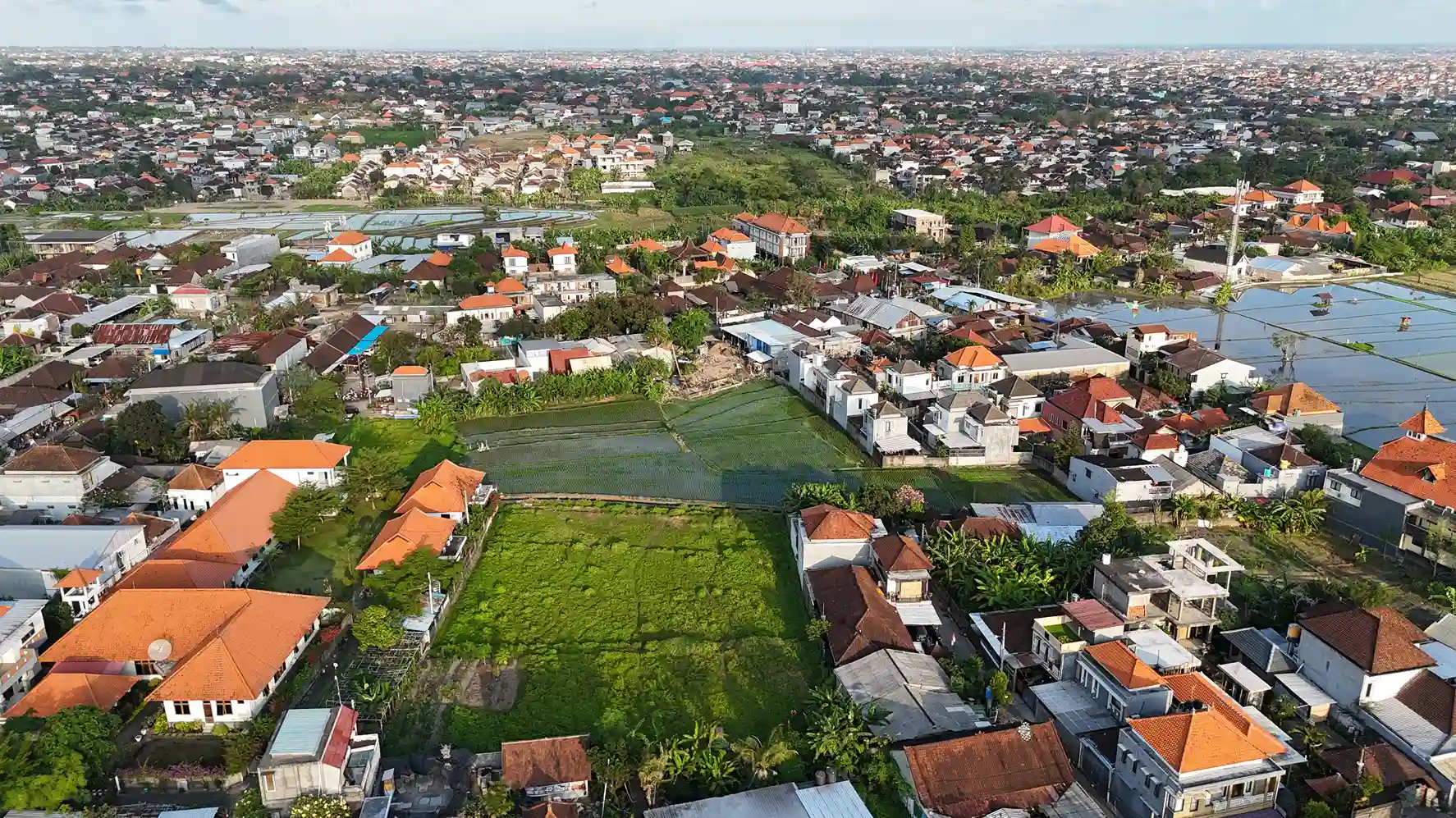
Introduction - Why Land Investment in Bali Continues to Attract Smart Capital in 2026
Land in Bali has long been viewed as one of Southeast Asia’s most compelling real estate assets, and in 2026 that appeal remains firmly intact. As tourism stabilises at pre-pandemic levels and infrastructure development continues across key regions of the island, land ownership is increasingly seen as a strategic foundation for long-term wealth rather than short-term speculation.
Investor interest today is driven by a combination of factors: limited supply, growing international demand, and a more structured regulatory environment introduced by the Indonesian government. Compared to built properties, raw land offers flexibility, whether for future villa development, land banking, or resale once zoning and infrastructure mature. In a market where oversupply can affect rental properties, land remains a scarce and resilient asset.
However, investing is no longer about simply “buying early.” In 2026, successful investors are those who understand how regulations, zoning classifications, acquisition costs, and realistic return expectations intersect. Government oversight has tightened, buyer awareness has increased, and due diligence has become non-negotiable. These shifts favour informed investors who prioritise legality and long-term value creation over speculative gains.
This guide explores the essential elements every investor must evaluate, from legal frameworks and spatial planning to pricing dynamics and return potential, so you can approach Land in Bali with clarity, confidence, and a strategy aligned with today’s market realities.
Understanding Bali’s 2026 Land Ownership Rules: What Investors Must Know
Indonesia’s regulatory framework for property has become more structured and transparent in recent years, and in 2026, this shift is clearly reflected in how Land in Bali is governed. At the centre of this framework is the Online Single Submission (OSS) system, a national digital platform that standardises licensing, registration, and compliance across all investment sectors, including land and property. For investors, the OSS system reduces ambiguity while increasing accountability, making legal compliance easier to track but harder to bypass.
Land ownership in Bali generally falls under three main structures. Hak Milik (freehold) is the strongest title, but it is reserved for Indonesian citizens. Hak Guna Bangunan (HGB) grants the right to build and use land for a defined period and is commonly used by companies with foreign ownership structures. Hak Pakai allows use rights under specific conditions and is often applied in residential arrangements involving foreign individuals. Each structure carries different implications for resale, financing, and long-term value.
Regulatory enforcement has tightened, particularly around zoning compliance and ownership transparency. Authorities are actively addressing illegal arrangements and informal transactions, as highlighted in recent regulatory coverage by Asia Lifestyle Magazine. For foreign buyers, this environment reinforces a key principle: compliance is not optional. Understanding legal structures, verifying permits through the OSS system, and working with qualified professionals are essential steps to protect capital and ensure sustainable returns when acquiring Land in Bali.
Zoning and Spatial Planning in Bali: The Foundation of Smart Land Decisions
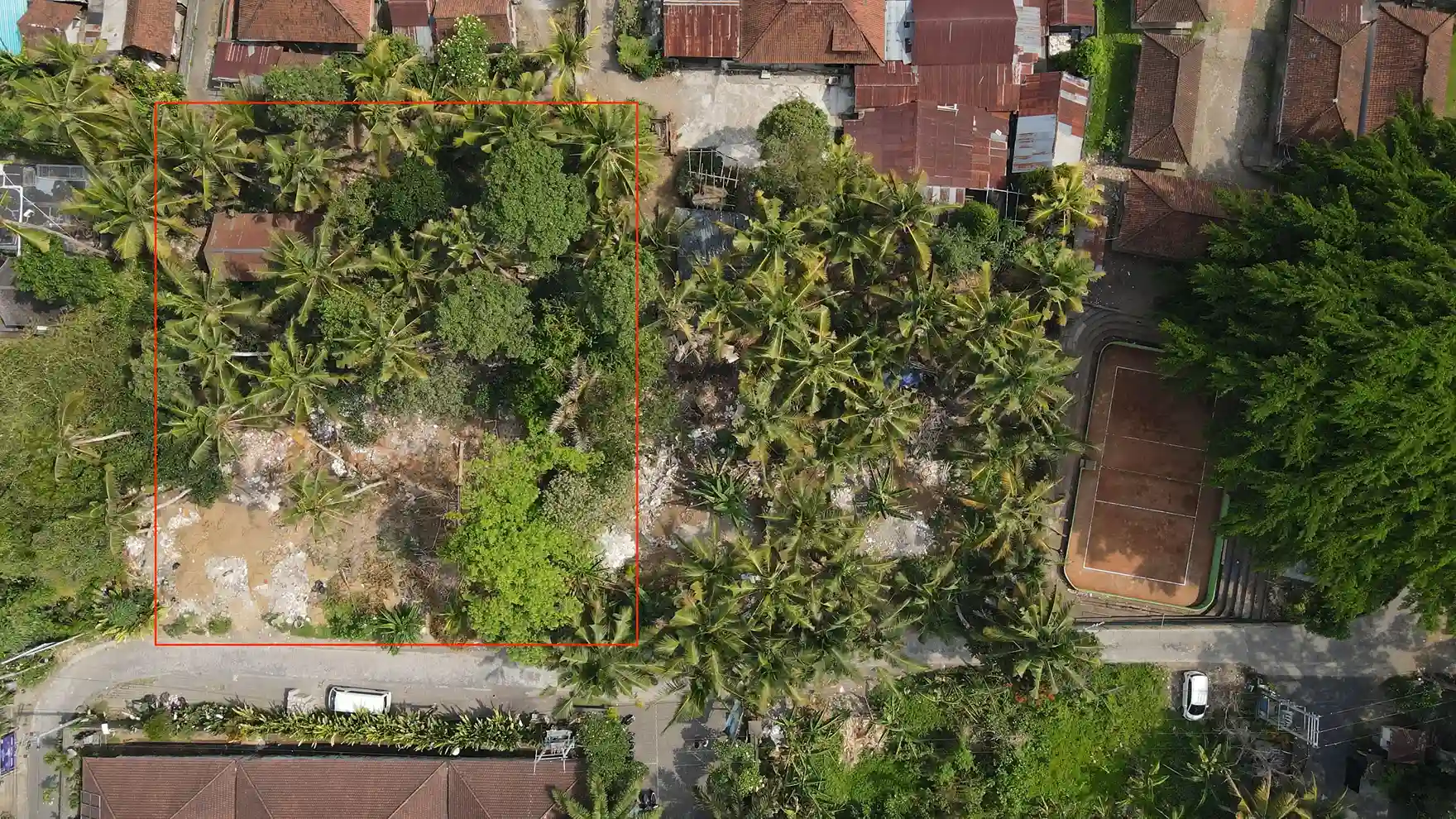
Zoning is one of the most critical factors influencing the value and usability of Land in Bali, yet it is also one of the most misunderstood by investors. Bali’s spatial planning system divides land into specific categories, each governed by clear rules that determine what activities and developments are permitted. These categories typically include residential zones, tourism zones, agricultural land, and protected or conservation areas.
Residential zoning allows for private housing and limited commercial use, while tourism zoning is designated for villas, hotels, and other accommodations intended for short- or long-term stays. Agricultural zones, often referred to as green zones, are protected for farming and environmental balance, making construction either highly restricted or entirely prohibited. Protected areas carry the strictest controls and are generally off-limits for development regardless of investment potential.
Understanding these distinctions is essential because zoning directly impacts what can be built, how permits are issued, and whether a project can generate legal income. A parcel of land may appear attractive due to its location or price, but if zoning does not align with the intended use, development plans can be delayed or blocked altogether. This is why zoning verification is a mandatory step before any transaction.
In 2026, enforcement of spatial planning regulations has become more consistent, favouring investors who prioritise due diligence over speculation. When evaluated correctly, zoning clarity protects capital, ensures legal certainty, and allows Land in Bali to be developed or held in ways that align with both market demand and regulatory expectations.
The Real Cost of Owning Land in Bali: Beyond the Purchase Price
When evaluating Land in Bali, many investors focus primarily on the asking price, yet the true cost of ownership extends well beyond the initial transaction. In 2026, land prices vary widely depending on location. Prime areas such as Canggu, Seminyak, and Uluwatu command significantly higher rates per area, while emerging regions like Tabanan or northern coastal corridors offer more accessible entry points with long-term appreciation potential.
Beyond the purchase price, buyers must account for mandatory taxes and professional fees. The most notable is BPHTB, the land and building acquisition tax, typically calculated as a percentage of the transaction value. Notary fees, land deed processing, and government registration charges also form part of the upfront costs. These expenses are essential to ensure the transaction is legally recognised and properly recorded.
Ongoing holding costs are another important consideration. Even undeveloped land may require security, basic maintenance, and local community contributions. For investors holding land as part of a long-term strategy, these recurring expenses should be factored into overall return calculations.
There are also less obvious costs that can catch buyers off guard, including access road agreements, boundary surveys, and potential infrastructure contributions if development is planned. A clear understanding of these financial components helps investors assess the real investment value and manage expectations when acquiring Land in Bali.
Freehold or Leasehold? Choosing the Right Land Ownership Structure in Bali
One of the most important decisions investors face when acquiring Land in Bali is selecting the appropriate ownership structure. Indonesia’s property laws distinguish clearly between freehold and usage-based rights, and understanding these differences is essential for both legal security and long-term returns.
Freehold ownership, known as Hak Milik, provides the strongest and most permanent land rights. However, this title is legally restricted to Indonesian citizens. Foreign investors cannot directly hold freehold land, which has led to the use of alternative structures. While freehold offers maximum control and resale flexibility, improper arrangements, such as informal nominee agreements, carry significant legal risks and are increasingly scrutinised by authorities.
Leasehold arrangements offer a more accessible and transparent option for foreign buyers. A lease typically grants usage rights for a fixed period, often 25 to 30 years, with extension clauses negotiated upfront. Hak Pakai is another recognised structure that allows foreigners to legally use land under specific conditions, often linked to residential or investment purposes. Each option differs in terms of tenure length, transferability, and financing potential.
From an investment perspective, ownership structure directly affects valuation, exit strategy, and financing options. Freehold tends to command higher resale premiums, while well-structured leaseholds can still deliver strong returns when terms are clearly defined. A careful assessment of goals, risk tolerance, and compliance requirements is essential to ensure that Land in Bali aligns with both regulatory standards and long-term investment objectives.
Where Value Is Moving: Prime and Emerging Locations for Bali Land Investors
Location remains the single most influential factor in determining the performance of Land in Bali, especially as development patterns shift in 2026. While established hotspots continue to attract demand, investor attention is increasingly moving toward fringe and emerging areas where infrastructure growth and zoning availability offer better long-term upside.
The outskirts of Canggu remain highly attractive as central plots become scarce and pricing reaches premium levels. Areas just beyond the core, toward Seseh and Munggu, benefit from proximity to lifestyle hubs while still offering relatively larger parcels and more flexible development options. Pererenan follows a similar trajectory, transitioning from a quiet village into a sought-after residential and boutique villa destination, driven by controlled tourism growth and improved access.
Further west, Tabanan and the Tanah Lot corridor are gaining momentum among investors seeking lower entry prices and longer investment horizons. These regions are supported by improved road connectivity and increasing interest in sustainable residential and eco-focused developments. In the south, Uluwatu’s hinterlands continue to show potential as coastal plots become limited, pushing development slightly inland while maintaining strong appeal to the luxury market.
North Bali corridors, particularly those aligned with government-backed infrastructure initiatives, represent an emerging frontier. Although demand is still maturing, early investors are positioning themselves ahead of future growth cycles. Ultimately, strategic site selection ensures that Land in Bali aligns with both market demand and realistic development potential, reinforcing why location continues to drive value in every successful land investment strategy.
What Truly Drives Returns: Understanding ROI Dynamics in Bali Land Investments
Return on investment from Land in Bali is shaped by a combination of income potential, long-term appreciation, and strategic value creation. Unlike completed properties, land offers flexibility—allowing investors to choose whether returns are generated through development, resale, or long-term holding strategies.
In many cases, capital appreciation remains the primary driver. As tourism demand expands and buildable plots become increasingly scarce, well-located land has historically benefited from steady price growth. Areas positioned near lifestyle hubs, upcoming infrastructure, or future tourism zones tend to outperform the broader market. While land itself does not produce rental income, development into villas, residences, or commercial assets can unlock strong yield potential once zoning and permits are secured.
Land banking is another common approach in Bali, particularly among investors with longer time horizons. By acquiring plots in emerging areas and holding through infrastructure upgrades or zoning adjustments, investors can capture value uplift without immediate construction risk. In some cases, value creation also comes from securing development approvals, improving access roads, or consolidating smaller parcels into more attractive development sites.
In 2026, realistic expectations are essential. Returns vary widely depending on location, legal structure, and execution strategy. Short-term speculation is less reliable under stricter regulatory oversight, while compliant, well-planned investments continue to perform steadily. Ultimately, successful returns from Land in Bali depend on patience, legal clarity, and alignment with long-term market fundamentals rather than quick gains.
Navigating Challenges: Key Risks in Bali Land Deals and Smart Safeguards
Despite its strong appeal, investing in Land in Bali is not without challenges, especially as the market matures and regulations tighten in 2026. Understanding the most common risks and how to mitigate them is essential for protecting capital and achieving sustainable returns.
Market-related risks often stem from oversupply in certain pockets, particularly where speculative buying has outpaced genuine demand. Economic slowdowns, shifts in tourism trends, or changes in infrastructure priorities can also affect land values in the short to medium term. Investors who focus solely on hype rather than fundamentals may find themselves holding assets that take longer to appreciate their value.
Legal risks tend to pose a greater threat. Title disputes, unclear ownership histories, zoning violations, and the involvement of illegal brokers remain common issues in Bali’s land market. Purchasing land without proper verification can result in costly delays, penalties, or even loss of rights. These risks are amplified for foreign buyers unfamiliar with Indonesia’s legal framework and land administration systems.
Effective mitigation starts with rigorous due diligence. This includes verifying land titles, confirming zoning compliance, and ensuring there are no outstanding disputes or encumbrances. Working closely with licensed agents, reputable notaries, and experienced legal advisors significantly reduces exposure to hidden issues. In a market as nuanced as Bali, careful planning and professional guidance remain the strongest safeguards when investing in Land in Bali.
The Strategic Advantage of Expert Guidance in Bali Land Investments
For investors navigating Land in Bali, professional advisors play a critical role in turning complex transactions into secure, value-driven outcomes. In 2026, as regulations tighten and enforcement increases, relying on qualified experts is no longer optional, it is a strategic necessity.
Certified property brokers, particularly those registered with recognised associations such as AREBI, provide market insight that goes far beyond listings and pricing. They help investors assess location viability, zoning alignment, and long-term development potential while ensuring ethical practices and transparent negotiations. AREBI-certified brokers also operate under a formal code of conduct, offering accountability that informal agents cannot match.
Legal advisors, surveyors, and notaries form the second pillar of a secure acquisition. Lawyers verify ownership structures, review contracts, and ensure compliance with Indonesian land law, while licensed surveyors confirm boundaries and land measurements. Notaries coordinate the legal transfer process, register rights, and ensure documentation meets government requirements, critical steps that protect buyers from future disputes.
This coordinated professional support significantly reduces risk, shortens transaction timelines, and improves overall investment performance. Investors gain clarity on what can realistically be developed, leased, or held for appreciation. Ultimately, expert involvement enhances confidence, safeguards capital, and maximises long-term value when acquiring Land in Bali.
Smart Capital Planning & Funding Structures for Bali Land Investors
Financing strategy is a decisive factor in land acquisition success, especially as deal sizes and regulatory scrutiny increase in 2026. Investors exploring Land in Bali typically rely on a mix of overseas capital and structured partnerships rather than traditional local bank loans, which remain limited for foreign buyers and often come with restrictive terms.
Overseas funding, whether equity-based or private lending, offers flexibility and faster execution. Many investors deploy capital from offshore entities, family offices, or retained earnings, allowing them to negotiate more favourable purchase terms and timelines. For larger plots or development-ready parcels, joint ventures and strategic partnerships are increasingly common. These structures spread risk, align expertise (capital vs development know-how), and improve scalability for multi-phase projects.
Currency planning is another critical consideration. While land transactions are priced in Indonesian rupiah, many investors operate in USD, AUD, or EUR. Exchange rate fluctuations can materially affect entry costs and projected returns. Savvy investors mitigate this risk through phased payments, currency hedging, or holding multi-currency reserves to time conversions more effectively.
Ultimately, well-structured financing enhances negotiating power, protects margins, and ensures capital efficiency, key advantages in Bali’s competitive land market.
A Clear, Step-by-Step Process for Securing Land in Bali
Buying land requires structure, patience, and proper verification, especially in a regulated market like Indonesia. A practical approach helps investors avoid costly missteps when acquiring Land in Bali, particularly in 2026’s stricter compliance environment.
The process begins with a pre-purchase checklist. Investors should define the intended land use, confirm budget parameters, and engage licensed professionals early. A formal title search is essential to verify ownership, land status, and boundary accuracy, while zoning checks ensure the plot aligns with development or holding objectives. On-site inspections are equally important, allowing buyers to assess access roads, utilities, topography, and surrounding developments.
Once due diligence is complete, the transaction moves into contract execution. Sale agreements are prepared and formalised before a licensed notary (PPAT), ensuring all terms comply with Indonesian land law. Payment milestones are clearly documented, and taxes such as BPHTB are settled according to regulation.
The final stage is registration. The notary submits the transfer to the National Land Agency (BPN), where ownership or usage rights are officially recorded. This step secures legal standing and protects the buyer’s interests. Following a disciplined process not only minimises risk but also strengthens long-term value when investing in Land in Bali.




.svg)
.svg)




.svg)